
Paid media buying is the process of purchasing ad placements on various digital platforms, such as social media, search engines, and gaming networks, to promote a game. Unlike organic marketing, where growth relies on non-paid strategies, paid media ensures immediate visibility and reach. By placing ads across platforms like Google, Facebook, YouTube, Twitch, and in-app ad networks, game developers can increase downloads, in-game purchases, and overall brand awareness. Whether you’re launching a new game or promoting in-game events, paid media buying provides an effective, scalable solution to achieve measurable results.

Why Paid Media Buying is Essential for Game Marketing
In the highly competitive gaming industry, paid media allows developers to quickly reach targeted audiences, ensuring their game stands out in a crowded market. It offers several advantages:
- Instant Visibility: Paid ads immediately place your game in front of potential players across platforms like Google and social media.
- Precision Targeting: You can define specific audiences based on demographics, interests, behaviors, and even previous gaming habits, making your ad spend more efficient.
- Scalable Campaigns: Whether you have a small or large budget, paid media buying can scale to meet your needs, from localized promotions to global campaigns.
- Measurable ROI: Paid media campaigns provide real-time data on performance, allowing you to measure the return on investment (ROI) for each campaign and optimize accordingly.
Key Platforms for Paid Media Buying in Gaming
Google Ads
Google Ads offers both Search Ads and Display Ads to promote your game. Search Ads appear when users search for related terms (e.g., “best RPG games”), while Display Ads can appear on websites and apps in the Google Display Network.
- Tip: Use Google App Campaigns to specifically target app downloads or in-game purchases. These campaigns automatically optimize ad placements across Google Search, YouTube, Play Store, and other Google platforms.
YouTube Ads
YouTube is a powerful platform for gaming ads, especially for promoting game trailers, tutorials, or influencer reviews. Ads can appear as skippable or non-skippable in-stream ads before or during video content, as well as bumper ads for short, impactful promotions.
- Best Practice: Target your ads to specific gaming channels or videos to reach audiences already engaged with gaming content.
Facebook and Instagram Ads
Facebook and Instagram offer a variety of ad formats, including video, carousel, and stories ads. These platforms are ideal for reaching gamers based on their interests, game genre preferences, or past interactions with similar games.
- Tip: Use Facebook Lookalike Audiences to target new users who share similar behaviors to your current player base.
Twitch Ads
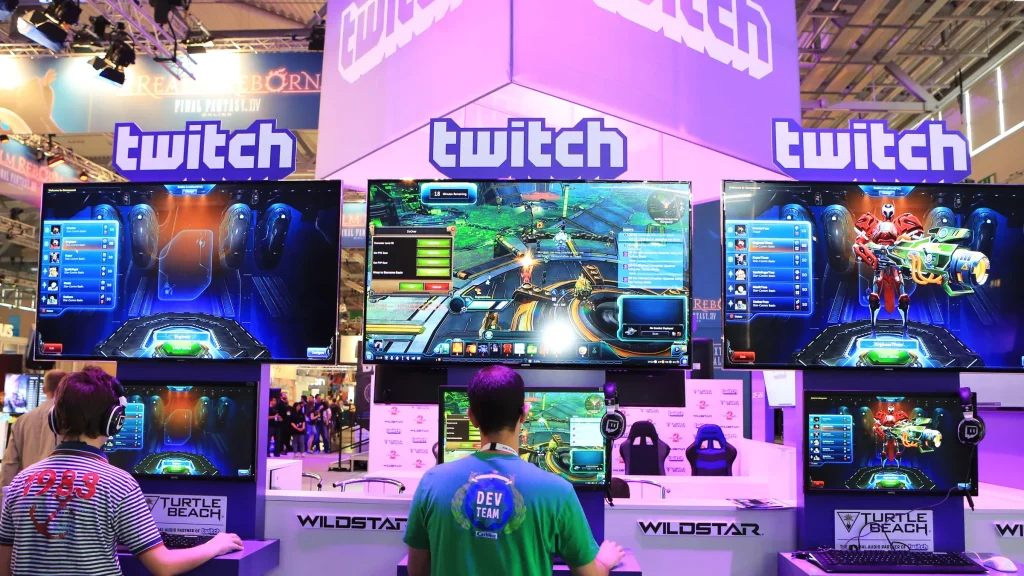
Twitch is one of the leading platforms for live-streamed gaming content. Ads on Twitch can reach engaged gamers through video ads that appear before or during streams, as well as banner ads on the Twitch homepage and within channels.
- Best Practice: Partner with popular Twitch streamers to run sponsored streams or place pre-roll ads before high-viewership streams for maximum visibility.
Programmatic Ad Buying (In-App Ads)
Programmatic ad buying allows you to automate the purchase of digital ads in real-time across a range of platforms and apps. In-app ads are particularly effective for mobile games, placing ads within other mobile apps that target similar user demographics.
- Tip: Use rewarded video ads in mobile apps, where players receive an in-game reward for watching your game’s ad, driving higher engagement and installs.
Steps to Launching a Successful Paid Media Buying Campaign
Set Clear Objectives
Define the main goals of your campaign—whether it’s increasing game downloads, promoting in-game purchases, driving pre-launch awareness, or boosting player retention. Setting clear goals will help determine the right platforms, ad formats, and KPIs (key performance indicators) for tracking success.
Identify Target Audiences
Tailor your paid media campaigns to specific audience segments. Use platform tools to target by age, location, device type, gaming preferences, and online behaviors. For example, if promoting a mobile game, focus on players who have a history of playing similar mobile games.
- Tip: Use retargeting ads to engage users who have visited your website, interacted with your content, or downloaded your game but haven’t made a purchase.
Create Compelling Ad Creatives
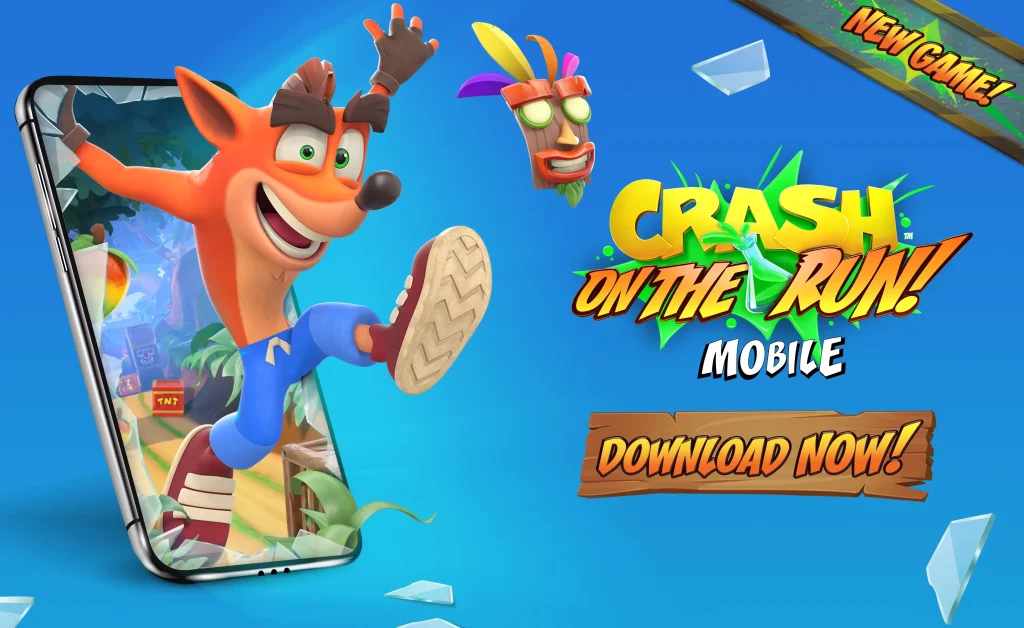
Ads should immediately capture attention with high-quality visuals, compelling video clips, and clear calls-to-action (CTAs) like “Download Now” or “Play Free Today.” For gaming ads, showing actual gameplay footage tends to perform well, as it gives potential players a glimpse of the game’s experience.
- Best Practice: Test multiple ad creatives with A/B testing to determine which format resonates most with your audience.
Set Budgets and Bidding Strategies
Determine your overall budget and how much you’re willing to spend per action (such as cost-per-click or cost-per-install). Most platforms offer a variety of bidding strategies, including CPC (Cost-Per-Click), CPM (Cost-Per-Thousand-Impressions), and CPA (Cost-Per-Acquisition). Test different approaches to find what works best for your game.
- Tip: Start with a daily budget to control spending while you test and optimize your campaign.
Monitor and Optimize
Once your campaign is live, monitor performance metrics such as impressions, click-through rates (CTR), conversions, and return on ad spend (ROAS). Use these insights to make adjustments in real time—whether it’s tweaking targeting options, adjusting budgets, or refining ad copy and creatives.
- Tip: Continuously optimize your campaign by eliminating underperforming ads and scaling up high-converting ones.

Common Pitfalls in Paid Media Buying for Games
- Poor Targeting: If your targeting is too broad, you’ll waste ad spend on users who are unlikely to convert. Narrow down your audience to those most likely to engage with your game.
- Ignoring Creative Testing: Not testing different ad creatives can result in missed opportunities. Always test variations in visuals, copy, and ad formats to see what resonates best with your audience.
- Inadequate Budget Allocation: Spreading your budget too thin across platforms can dilute the impact of your campaigns. Focus on a few key platforms that align with your game’s audience and goals.
How KREONIT Helps with Paid Media Buying for Games
At KREONIT, we specialize in crafting and executing effective paid media buying campaigns for game developers and publishers. Our services include:
- Audience Targeting and Segmentation: We identify your ideal player demographics and behaviors to ensure your ads reach the right audiences.
- Creative Ad Development: Our team designs eye-catching visuals and videos that drive engagement and downloads.
- Campaign Optimization: We continuously monitor your campaign’s performance, adjusting bids, creatives, and targeting to maximize return on ad spend (ROAS).

Conclusion
At KREONIT, we tailor paid media buying strategies for games to ensure your ads reach the right players and generate measurable results. From crafting compelling ad creatives to optimizing campaigns in real time, we help maximize your game’s success across multiple platforms. Contact us today to start your next campaign and drive growth for your game!
FAQ
What is paid media buying for games?
Paid media buying for games involves purchasing ad placements on platforms like Google, Facebook, YouTube, Twitch, and gaming apps to promote a game and drive downloads, sales, or player engagement.
How do I choose the best platform for my game ads?
The best platform depends on your target audience and the game’s genre. For example, mobile games may perform well with in-app ads or Instagram, while PC or console games might benefit from YouTube or Twitch ads.
What budget should I allocate for paid media buying?
Your budget depends on the scope of your campaign and the platform. Start small, track performance, and scale up based on your return on investment. Most platforms allow daily budgets, which can range from $5 to $50 or more, depending on your goals.
How can I track the success of my paid media campaigns?
Success can be tracked through metrics like click-through rates (CTR), conversion rates, cost-per-install (CPI), and return on ad spend (ROAS). Platforms like Google Ads and Facebook Ads Manager provide real-time analytics to help measure performance.
How does paid media buying differ from organic marketing?
Paid media buying involves purchasing ads for immediate exposure, while organic marketing relies on non-paid methods (like SEO and social media content) to grow visibility over time. Paid media offers faster results but requires ongoing investment.
