
A successful game launch campaign can make or break the debut of a new game. The objective is to build momentum before, during, and after the launch, ensuring that your game reaches its target audience, gains visibility, and achieves sustained player engagement. Game launch campaigns involve strategic planning, multi-channel marketing efforts, and deep market analysis to ensure that your game stands out in an overcrowded marketplace. From influencer marketing to social media engagement and paid promotions, a strong game launch campaign is vital for a successful release.

Why a Game Launch Campaign is Critical
Launching a game without a robust marketing plan often results in low visibility and disappointing sales. With thousands of new games hitting platforms like Steam, Google Play, and the App Store each year, a targeted launch campaign can generate the buzz needed to capture attention and drive downloads.
- Maximizes Visibility: A well-coordinated campaign ensures that your game reaches potential players across multiple platforms and touchpoints, increasing awareness.
- Builds Hype Before Launch: Pre-launch campaigns can generate excitement and anticipation through teaser trailers, beta access, or social media interactions.
- Increases Initial Downloads: A solid launch day effort boosts initial downloads, helping the game gain traction in app stores or gaming platforms, which can lead to better rankings and visibility.
- Sustained Engagement: Launch campaigns that extend beyond release day help maintain interest, engaging the player base with new updates, challenges, and content.
Core Elements of a Game Launch Campaign
Pre-Launch Strategy
A successful game launch campaign starts well before the actual release date. Pre-launch efforts include generating excitement through trailers, teasers, and exclusive content. You can also begin beta testing or soft launches to gather feedback and refine the game.
- Teasers and Announcements: Create buzz by releasing teaser videos, developer insights, and countdowns across social media channels. Use pre-launch newsletters to keep potential players informed.
- Beta Testing: Offer early access or beta versions of your game to a select group of users, influencers, or industry professionals. This generates buzz while providing valuable feedback to improve the final version of the game.
Social Media Marketing
Social media platforms like Twitter, Facebook, Instagram, and TikTok are essential for engaging with the gaming community and spreading the word about your game. Consistent posting with a combination of trailers, gameplay snippets, and user-generated content will help increase visibility.
- Content Calendar: Schedule consistent posts that include trailers, behind-the-scenes footage, and community engagement activities. Leverage popular gaming hashtags to boost organic reach.
- Engagement: Interact with your followers through polls, Q&A sessions, and countdowns to the launch. Post-development updates, exclusive behind-the-scenes content, or sneak peeks to maintain excitement.

Influencer Partnerships
Working with influencers can give your game visibility to their established audiences. Identify influencers in the gaming community that align with your game’s genre and demographic. Sponsored content, gameplay streams, or exclusive first looks can create significant buzz ahead of launch day.
- Twitch and YouTube Collaborations: Partner with streamers or content creators who can play your game live, share reviews, and promote your game to their viewers.
- Influencer Giveaways: Collaborate on giveaways or exclusive content that followers of influencers can access, driving further engagement and visibility.
Paid Advertising and PPC Campaigns
Paid advertising campaigns, especially through Google Ads, Facebook Ads, or Instagram Ads, can help target specific demographics and boost visibility. These ads can drive traffic to your game’s landing page or app store listing.
- Targeted Ads: Use demographic targeting to reach gamers interested in your genre or platform. Set up retargeting campaigns for users who’ve interacted with your pre-launch content but haven’t yet made a purchase.
- Pre-Orders and Early Access Ads: Use paid ads to promote pre-orders or early access offers, driving up engagement before launch day.

Launch Day Strategy
On launch day, all efforts should be directed towards creating a big splash. Use all your marketing channels—social media, influencers, email newsletters, and paid campaigns—to amplify the launch. Make sure the game is readily available on all platforms and visible on the front page of gaming communities or marketplaces.
- Launch Day Offers: Incentivize downloads by offering limited-time launch-day discounts, in-game rewards, or exclusive content for early adopters.
- Live Streams and Events: Host launch day events or live streams, showcasing gameplay, development stories, or Q&A sessions to interact with your audience in real-time.
Post-Launch Engagement
A good game launch campaign doesn’t end after release day. Engage players with post-launch updates, community-driven content, and special events. Offer ongoing support through updates, bug fixes, and new content to retain your player base.
- DLCs and Updates: Keep the momentum going by releasing downloadable content (DLC), new levels, skins, or challenges shortly after launch to maintain player interest.
- Community Engagement: Continue engaging with your community on social media and forums. Monitor feedback and respond to player reviews to keep them involved and satisfied.
Common Pitfalls in Game Launch Campaigns
- Overlooking Pre-Launch: Failing to build hype before the launch can lead to a lackluster release. Make sure you start early, building awareness weeks or months ahead of the actual launch date.
- Neglecting Influencer Marketing: In today’s social media-driven world, influencer partnerships can provide a significant boost. Failing to leverage influencers may limit your game’s visibility.
- Ignoring Data and Analytics: During and after your campaign, tracking engagement, downloads, and feedback is crucial. Use analytics tools to understand what worked and what didn’t, then make data-driven adjustments to improve performance.
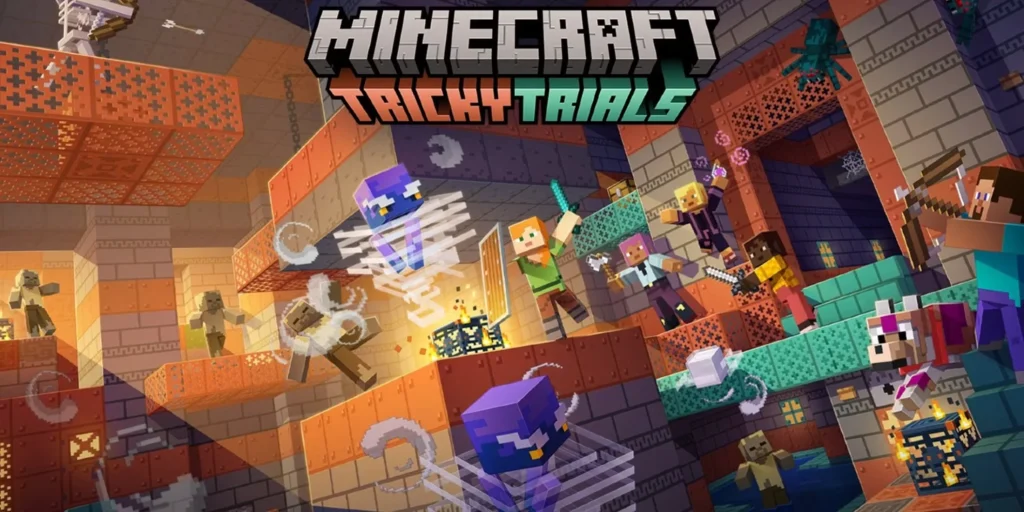
How KREONIT Helps with Game Launch Campaigns
At KREONIT, we design and execute comprehensive game launch campaigns that are tailored to your game and target audience. Our process involves:
- Pre-Launch Strategy: We help build anticipation by creating engaging content and managing early access or beta tests to generate initial buzz.
- Social Media and Influencer Outreach: Our team connects your game with the right influencers and manages your social media presence to ensure maximum engagement and visibility.
- Paid Advertising: We create and manage targeted ad campaigns on platforms like Google, Facebook, and Instagram, optimizing for the best results based on real-time analytics.
- Post-Launch Support: We ensure your game continues to thrive after launch with content updates, community engagement, and ongoing marketing efforts.
Conclusion
At KREONIT, our expertly crafted game launch campaigns are designed to make your game’s release a success. From pre-launch buzz to post-launch engagement, we handle everything to ensure maximum visibility, player engagement, and growth. Contact us today to launch your game with impact!
FAQ
What is a game launch campaign?
A game launch campaign is a coordinated marketing effort to promote a game before, during, and after its release. It involves building awareness, driving engagement, and maximizing downloads or sales through social media, influencer partnerships, paid advertising, and more.
How early should I start a game launch campaign?
You should start preparing your game launch campaign at least 3 to 6 months before the release date. This gives you enough time to build anticipation, test beta versions, and engage with potential players.
Why are influencers important for a game launch?
Influencers have large, engaged audiences that trust their opinions. Partnering with influencers helps your game reach a wider audience, increases visibility, and can lead to more downloads or sales.
How do I measure the success of a game launch campaign?
Success is measured by tracking key performance indicators (KPIs) such as the number of downloads, sales, website traffic, social media engagement, and overall player retention rates.
Can a game launch campaign continue after the game is released?
Yes! Post-launch campaigns are crucial for maintaining momentum. You can introduce new content, updates, or events to keep players engaged and attract new users.
