

Unreal Engine blockchain integration is rapidly transforming the gaming industry, offering groundbreaking potential for developers to create visually stunning, blockchain-based games that can generate extraordinary revenue. As the world of gaming continues to evolve, the convergence of high-quality graphics powered by Unreal Engine 5 and decentralized technologies is opening new doors for developers and players alike. But why is this integration so crucial for achieving financial success in the gaming sector?
In this article, we explore how blockchain integration combined with Unreal Engine 5’s advanced graphics can not only enhance the gaming experience but also revolutionize in-game economies. With the promise of true ownership of assets, secure transactions, and immersive gameplay, this fusion is paving the way for a new era of profitability in blockchain gaming. Read on to discover how leveraging this technology could lead your game to unprecedented financial heights.
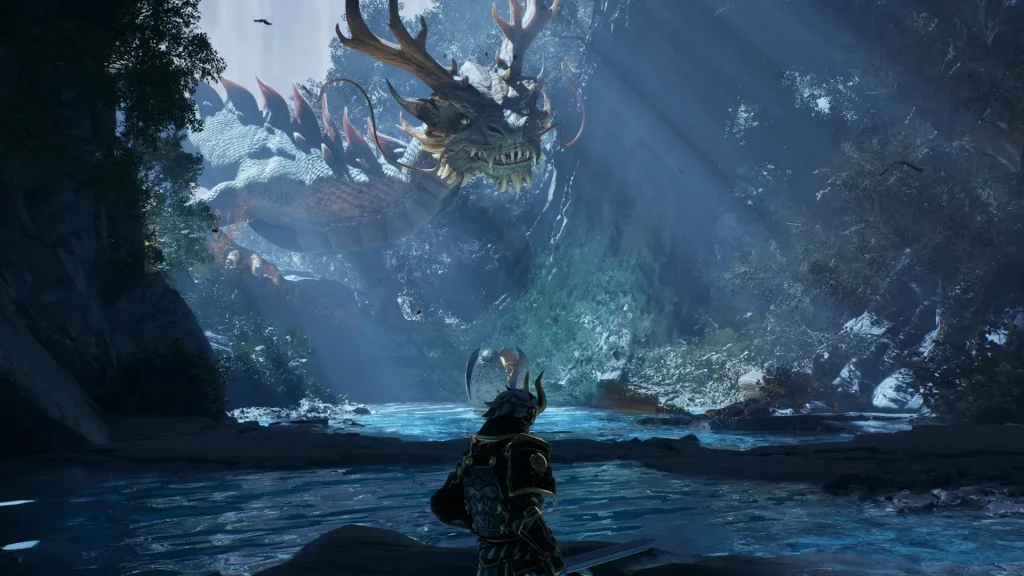
What makes Unreal Engine 5’s potential for blockchain games infinite?
Unreal Engine 5 (UE5) has become a game-changer for developers seeking to integrate blockchain technology into their gaming projects. Its cutting-edge features provide the tools necessary to create immersive and visually stunning blockchain-based games, enhancing the player experience while also introducing new economic models through NFTs and decentralized ownership. Let’s explore three standout features of UE5 that make it the ideal platform for blockchain gaming integration.
First, Lumen, the advanced global illumination and dynamic lighting system, brings unparalleled realism to gaming environments. In the context of blockchain games, Lumen elevates the immersion by delivering real-time lighting that dynamically reacts to the environment and player actions. This is crucial for games where blockchain integration involves player-owned NFT environments, allowing for breathtaking visual experiences where player assets interact with light and shadow in real time. Imagine player-owned in-game assets such as NFTs being showcased with stunning visual fidelity, increasing both their value and engagement.
Next is Nanite, a virtualized geometry system that allows for the import and rendering of high-quality assets with unprecedented detail—all without impacting performance. In the world of blockchain gaming, this means that NFTs can now consist of incredibly detailed, lifelike assets, whether it’s a unique weapon, character model, or piece of virtual real estate. With Nanite, game developers can create NFTs that are not only valuable in the game’s economy but also possess visual quality that rivals that of AAA games. Nanite’s ability to manage polygonal data seamlessly makes the integration of high-value NFTs easier and more accessible within the game.
Finally, World Partition enables the creation of massive open worlds that can be streamed in seamlessly without loading screens, which is a major advancement for blockchain-based games that require expansive and persistent worlds. In these games, where players own parts of the world in the form of NFTs, World Partition ensures that the gaming experience remains smooth and uninterrupted, regardless of how large or complex the game world becomes. This feature is especially beneficial for open-world blockchain games that offer limitless exploration and player ownership.
The combination of Lumen, Nanite, and World Partition positions UE5 as the ultimate platform for blockchain gaming, pushing the boundaries of what’s possible both in terms of visual quality and the integration of decentralized assets. By leveraging these technologies, game developers can create immersive, profitable games that offer unique ownership experiences through NFTs and blockchain integration.

Key benefits of using Unreal Engine 5 in blockchain games
Unreal Engine 5 (UE5) offers a range of groundbreaking advantages that make it an ideal choice for developers aiming to create blockchain games with unparalleled visuals and decentralized economies. The main focus is on how UE5 enhances blockchain integration, allowing players not only to enjoy an immersive gaming experience but also to gain true ownership of in-game assets through NFTs and smart contracts.
First, UE5’s advanced graphical capabilities significantly enhance player engagement. Technologies like Lumen for dynamic real-time lighting and Nanite for highly detailed models bring game worlds to life, making them visually stunning and engaging. This level of visual detail not only improves the gaming experience but also deepens player immersion. When combined with blockchain integration, where players can own assets in the form of NFTs, these digital assets gain substantial value, making the game’s economy more attractive.
One of the most exciting use cases is the creation of decentralized economies within the game. Games that have implemented UE5 blockchain integration allow players to own, trade, and monetize in-game assets directly on the blockchain. Titles like “Blankos Block Party” have already demonstrated how blockchain technology integrated with powerful game engines provides players with true control over their virtual items. These assets can be traded or sold on open markets as NFTs, fostering a player-driven economy where each asset holds real-world value.
For players, this means not only owning items in the game but also gaining real ownership in a decentralized system. With the help of blockchain integration services, the value of player-owned assets is transparent and protected, allowing them to profit from selling NFTs or participating in the game’s economy. Blockchain integration also enables the transfer of assets between different games or platforms, further increasing their value and attractiveness.
Therefore, Unreal Engine 5 allows developers to create visually stunning and decentralized blockchain economies, giving players the unique opportunity to own, trade, and monetize their in-game assets like never before. The combination of high-quality graphics and blockchain ownership offers a richer and more engaging experience, transforming the future of the gaming industry.
Challenges of integrating Unreal Engine 5 with blockchain technology
Integrating Unreal Engine 5 (UE5) with blockchain technology introduces a range of challenges that developers need to address to ensure seamless gameplay and a smooth user experience. While the advantages of combining high-end graphics with decentralized economies are clear, the path to successful blockchain integration can be complex.
One of the most critical challenges is scalability and performance. UE5 is known for its high-fidelity graphics, especially with features like Lumen and Nanite, which create incredibly detailed environments. However, achieving this level of graphical detail while maintaining smooth gameplay becomes more difficult in blockchain-based games that require massive scalability. Balancing visual fidelity with performance optimization is essential for ensuring that large-scale blockchain games can run efficiently, particularly in multiplayer environments where numerous transactions occur simultaneously. Developers must find ways to optimize performance without sacrificing the high-quality visual experience that UE5 provides.
Another major hurdle is transaction speed and latency. Blockchain networks often suffer from slower transaction times, which can cause delays in gameplay, especially in real-time multiplayer scenarios. Integrating blockchain technology into UE5 games means developers need to address this latency issue by implementing solutions that reduce the lag between in-game actions and blockchain transactions. If not managed carefully, this could disrupt the immersive experience that UE5 aims to deliver. Developers can explore Layer 2 scaling solutions or off-chain transactions to minimize the impact of blockchain latency on the gameplay.
Data management also poses significant challenges. UE5 uses large, high-quality assets that need to be efficiently stored and managed. Traditional storage methods may struggle to handle such massive data in blockchain-based games. Developers need to adopt decentralized storage solutions, such as IPFS (InterPlanetary File System), to store large UE5 assets like textures, models, and environments. These systems allow for secure and efficient management of in-game assets while maintaining decentralization, which is key to blockchain integration. Ensuring the proper management of these assets is vital for both game performance and player ownership of NFTs.
While the integration of Unreal Engine 5 with blockchain technology offers incredible potential, it also presents challenges in terms of scalability, transaction speed, and data management. Developers must carefully navigate these obstacles to create a seamless and efficient gaming experience.
Future developments in Unreal Engine blockchain integration for gaming
The future of blockchain integration in gaming is filled with innovative possibilities that will significantly enhance both the player experience and the development process. As the demand for more immersive and decentralized games grows, developers are exploring new methods to seamlessly incorporate blockchain technology into their gaming ecosystems.
One of the most promising approaches is modular design. By developing games with a modular architecture, developers can easily integrate blockchain technology without disrupting the core functionalities of the game engine. This method allows for more flexibility in implementing various blockchain features, such as in-game economies and NFT ownership, while ensuring that the core gameplay remains intact. Modular design also facilitates the ability to update or improve blockchain functionalities as the technology evolves, making it a future-proof solution for blockchain game development.
Another major trend is the adoption of hybrid solutions that combine cloud technologies with blockchain integration to enhance performance. While blockchain offers transparency and decentralized ownership, it can sometimes struggle with scalability and speed, particularly in high-demand games with complex graphics and large player bases. By utilizing cloud-based solutions for certain aspects of the game, such as rendering or asset storage, and pairing them with blockchain for ownership and transactions, developers can achieve both performance and decentralization. This approach also ensures that games can handle large-scale operations without compromising speed or user experience.
To further improve transaction speeds, developers are turning to Layer 2 technologies. These solutions, which operate on top of existing blockchains, allow for faster and cheaper transactions by reducing the load on the primary blockchain network. For example, games that rely heavily on in-game purchases or player-to-player transactions can benefit greatly from Layer 2 scaling solutions, as they can process transactions more efficiently without the delays typically associated with blockchain networks. This not only enhances the user experience but also makes blockchain integration more viable for fast-paced, real-time gaming environments.
As blockchain continues to evolve, blockchain integration services are expected to become more refined, offering better tools and resources for game developers. These services will likely focus on making the integration process smoother and more accessible, allowing more developers to experiment with and implement blockchain technology in their games.
In conclusion, the future of blockchain integration in gaming looks bright, with developments in modular design, hybrid solutions, and Layer 2 technologies leading the way. These advancements will pave the path for more scalable, efficient, and player-focused blockchain games.
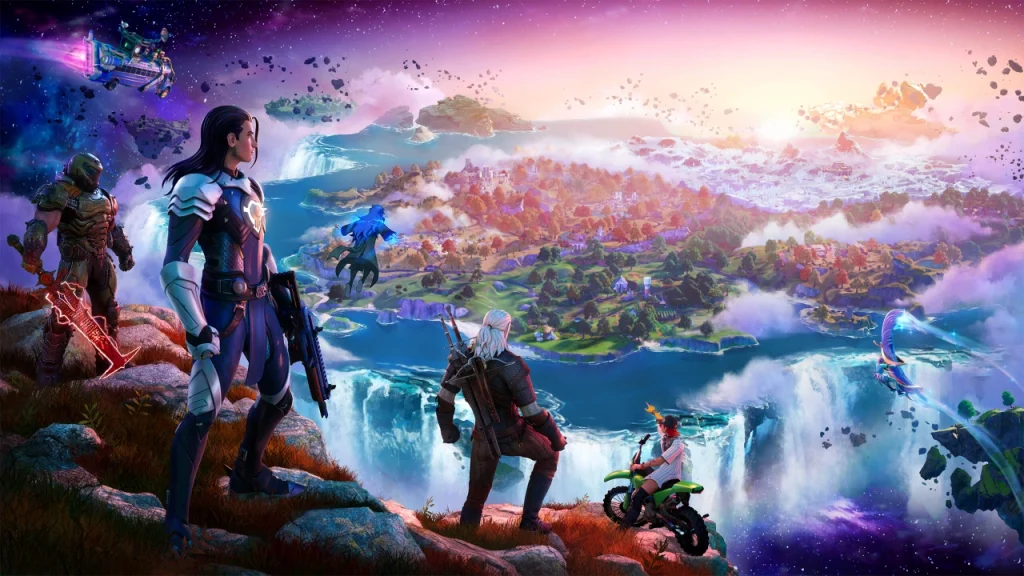
Innovations in blockchain game graphics beyond Unreal Engine 5
While Unreal Engine 5 is revolutionizing the visual aspects of blockchain gaming with features like Lumen and Nanite, there are several cutting-edge technologies beyond UE5 that are shaping the future of game graphics, especially in combination with blockchain integration. These innovations are not just enhancing visual fidelity but also fundamentally changing how players interact with game environments through NFTs and decentralized systems.
One of the most significant advancements is Ray Tracing, a technology that enables highly realistic lighting and shadow effects, bringing game environments closer to photorealism. In blockchain games, where NFTs represent ownership of unique in-game assets, Ray Tracing can amplify the visual experience, making these assets feel more tangible and lifelike. Imagine an NFT-based sword reflecting realistic light rays in a virtual world or a player-owned NFT character casting dynamic shadows as they explore vast game landscapes. The integration of Ray Tracing within blockchain games creates an immersive environment where every player-owned asset is visually stunning and unique, further increasing its value.
Beyond Ray Tracing, procedural content generation is another emerging innovation that blockchain games are leveraging. This technique allows developers to create expansive game worlds that change dynamically based on player interactions. By integrating NFTs into this process, players can influence the game environment directly. For example, an NFT representing a plot of virtual land could enable a player to customize and alter that terrain, creating new landscapes that reflect their personal ownership. This level of interaction between NFTs and procedural generation makes the game world feel alive and responsive to player choices, adding an entirely new dimension to blockchain gaming.
Decentralized rendering and cloud gaming are also playing a critical role in pushing the boundaries of game graphics beyond traditional engines like Unreal Engine 5. In blockchain games, where players own unique in-game assets, rendering these assets in high fidelity can be computationally demanding. Decentralized rendering networks distribute this workload across a global network of computers, ensuring that players can experience stunning visuals without overloading their own devices. This also ties into cloud gaming, where games are streamed to players’ devices, allowing them to enjoy high-quality graphics without needing top-tier hardware. For blockchain games, this means that even NFT-heavy environments can be experienced in high resolution, regardless of the player’s device.
The combination of blockchain integration with these emerging graphical innovations creates a future where blockchain games not only offer decentralized economies but also provide players with visually captivating worlds. The use of NFTs in these environments makes the ownership of digital assets feel more meaningful, as players can see their investments reflected in the game’s high-quality graphics.
By going beyond the capabilities of Unreal Engine 5, developers can tap into these technologies to create blockchain games that are visually impressive, immersive, and deeply interactive. These innovations offer new opportunities for players to engage with NFTs in ways that transcend traditional gaming experiences.
Interoperability of graphical assets in blockchain games
One of the most exciting advancements in blockchain gaming is the growing potential for interoperability of graphical assets across multiple games. This development is revolutionizing the way NFTs are used, allowing players to carry their assets between different gaming environments, enhancing both gameplay and the overall value of digital ownership.
The creation of standardized graphical assets for NFTs is key to enabling this interoperability. By developing assets—such as character skins, weapons, or virtual real estate—using universal formats, these NFTs can be utilized across multiple games and platforms. This standardization allows assets to seamlessly function in different game worlds, without the need for specific adjustments or re-creation. For example, a player’s NFT-based sword in one game, designed with Unreal Engine 5 (UE5), could retain its appearance and characteristics when used in another blockchain-based game. This provides a unique, cross-game identity for the player, enhancing immersion and personal investment in the blockchain gaming experience.
This level of asset interoperability is made possible through advanced blockchain integration technologies. When integrating blockchain technology into gaming platforms, developers can ensure that the ownership and characteristics of NFTs are tracked on the blockchain, allowing assets to be moved from one game to another. In games utilizing UE5 blockchain integration, assets created with Nanite and Lumen maintain their high-quality graphics and real-time lighting effects, even as they are transferred between games, offering a seamless visual experience for players across multiple virtual worlds.
The ability to move graphical assets between games also opens up new possibilities for players, giving them more control over their digital identities and enhancing the decentralized nature of blockchain gaming. Players can create, trade, and customize their assets, knowing that their investments are not limited to one platform. This cross-platform compatibility encourages a more engaged player base and allows developers to tap into a broader gaming ecosystem.
As blockchain technology continues to evolve, the push toward interoperability will become a cornerstone of future game development. By adopting standardized formats and implementing blockchain integration, the gaming industry is paving the way for a new era of player-driven economies and cross-game asset ownership.
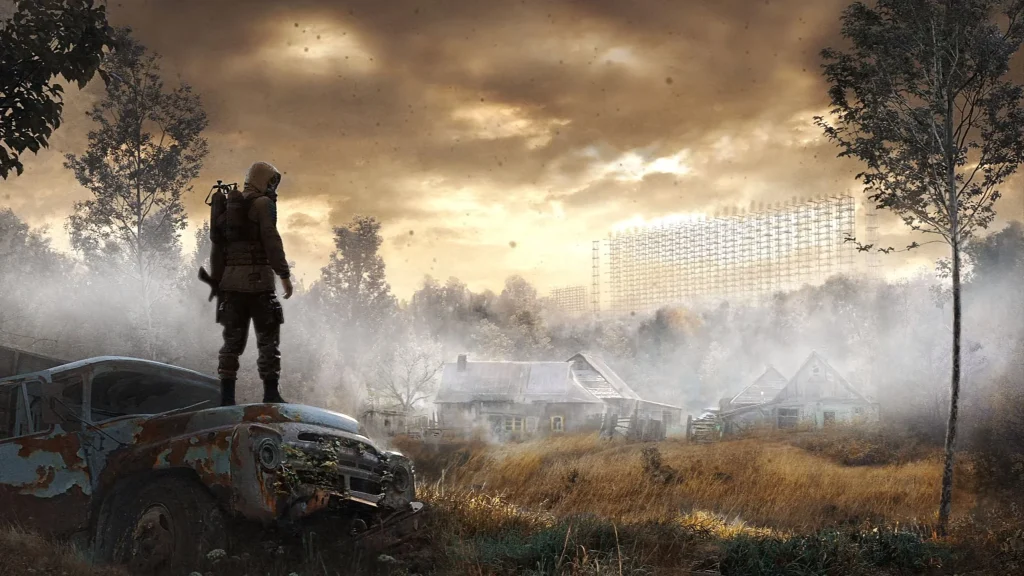
Financial aspect of blockchain games with Unreal Engine 5
The integration of blockchain technology with Unreal Engine 5 (UE5) opens up vast monetization opportunities for developers. By leveraging blockchain integration, game developers can create and sell in-game assets as NFTs, providing players with true ownership of digital items. This not only enhances player engagement but also offers a sustainable revenue model through the trade and resale of NFT-based assets on secondary markets.
Developers can monetize these assets by creating unique, high-quality in-game items using UE5’s advanced graphics features, such as Nanite and Lumen, which ensure visually stunning and realistic game worlds. These NFTs, whether they are character skins, weapons, or even virtual land, can be sold or traded within the game’s ecosystem or across other blockchain platforms, thanks to interoperability. This ability to create and trade digital assets enhances the game’s economy and increases potential revenue streams for developers.
Moreover, the combination of blockchain integration services with the powerful capabilities of UE5 allows for innovative revenue models such as in-game marketplaces, player-to-player transactions, and royalty systems where developers earn a percentage from every NFT resale. This decentralization of asset ownership not only builds a loyal player base but also generates continuous income.
By combining visual excellence and blockchain technology, developers are not just offering an enhanced gaming experience, but also creating a robust financial ecosystem. The stunning visuals provided by UE5, coupled with the transparency and security of blockchain, ensure that these games attract a wider audience, further boosting revenue potential.
In conclusion, the monetization possibilities in blockchain games with UE5 are vast, and developers who effectively integrate blockchain technology into their projects stand to gain significantly both in terms of revenue and player engagement.

Key points of combining Unreal Engine 5 with blockchain integration and how we can help you
The combination of Unreal Engine 5 and blockchain integration offers developers groundbreaking opportunities to create immersive, high-quality games with decentralized economies. By leveraging the unparalleled graphical capabilities of UE5, such as Lumen for real-time lighting and Nanite for high-quality asset rendering, developers can build stunning visual environments that elevate the gaming experience. When paired with integrating blockchain technology, these visual assets can become valuable NFTs, driving new revenue models and giving players true ownership of their in-game items.
This integration allows for seamless scalability, security, and financial success in blockchain games. The ability to create decentralized economies, where players can trade, sell, and truly own digital assets, enhances engagement and offers long-term value for both players and developers. However, mastering this combination requires deep technical expertise in both blockchain integration and UE5 development.
If you’re a developer looking to explore the powerful synergy between Unreal Engine 5 and blockchain technology, our team can provide the necessary expertise and blockchain integration services to bring your vision to life. From initial concept to full implementation, we will guide you through the entire process, ensuring your project is technically sound and positioned for commercial success.
Call us today to discuss how we can help integrate blockchain technology with UE5 to unlock new possibilities for your game.


