

In the ever-evolving gaming industry landscape, reaching a wider audience and expanding the market have become top priorities for game developers. The desire to increase profitability and break into new markets drives developers to look for effective strategies. One powerful way to achieve these goals is through the game porting process.
Game porting allows developers to adapt their games for multiple platforms, thus making them accessible to a broader audience. Whether you are an aspiring game developer or a seasoned professional, understanding game porting is essential to stay competitive and relevant in today’s gaming market. By porting games, developers can tap into new revenue streams, enhance brand visibility, and maximize return on investment.
This article will delve into the importance of game porting, outline the process, and highlight the benefits it brings to both developers and players. By the end, you’ll see why game porting is not just an option but a necessity for modern game development.

What should you know about game porting?
In the competitive world of game development, game porting stands out as a crucial strategy for expanding reach and maximising profitability. But what exactly is game porting?
Game porting refers to the process of adapting a video game, initially developed for one platform, to run on another or even multiple platforms. These platforms can include different operating systems (e.g., Windows, macOS, Linux), gaming consoles (e.g., PlayStation, Xbox, Nintendo Switch), and mobile devices (e.g., iOS, Android). The goal of game porting is to make the game accessible to a broader audience, extending its reach to various devices and platforms.
The success of computer game porting and pc game porting lies in the ability to maintain the game’s integrity and quality while adapting it to different environments. By doing so, developers can ensure that their game remains engaging and enjoyable across all platforms.
For example, a successful computer game port might involve adapting a game from a high-performance gaming PC to a console like the PlayStation or Nintendo Switch. This requires careful optimisation to handle the different hardware capabilities and control schemes. Similarly, a pc game port may involve tweaking the game’s settings to ensure it runs smoothly on a variety of PC configurations, from high-end gaming rigs to more modest setups.
Game porting is not just about technical adaptation; it also involves understanding the unique features and limitations of each platform. This means that developers must analyse the target platform’s specifications, performance characteristics, and user expectations to deliver a game that feels native and immersive.
By successfully porting their games, developers can unlock new markets, increase revenue, and ensure their game is enjoyed by as many players as possible, no matter what device they are using.

Why you shouldn’t underestimate the effectiveness of game porting?
Increasing revenue streams is one of the most significant benefits of game porting. By making a game available on multiple platforms, developers can reach a larger audience and tap into new markets. This diversification not only boosts initial sales but also creates ongoing revenue through in-game purchases, downloadable content (DLC), and other monetization strategies.
Enhancing Brand Visibility
Enhancing brand visibility is another key advantage of game porting. When a game is accessible across various platforms, it gains more attention from the gaming community and media. This increased exposure can significantly raise the profile of the developer’s brand and foster player loyalty.
Maximising Return on Investment
Maximising return on investment is critical in game development, given the significant resources required to create a game. Game porting allows developers to leverage the success of their game by extending its availability across multiple platforms. This strategic move ensures that the initial investment yields higher returns over time.
Future-Proofing the Game
Future-proofing a game is essential in an industry that is rapidly evolving. By porting a game to various platforms, developers can ensure that their game remains accessible and relevant even as new platforms and technologies emerge. This longevity is crucial for maintaining a steady stream of revenue and player engagement.
Creating Opportunities for Collaboration
Creating opportunities for collaboration is another significant benefit of game porting. The porting process often involves working with other developers, publishers, or platform owners. These partnerships can lead to joint marketing agreements, distribution partnerships, and cross-platform initiatives that further enhance the game’s reach and success.
Supporting Game Preservation
Supporting game preservation is a valuable aspect of game porting. As hardware and software evolve, older games can become inaccessible. By porting games, developers can adapt classic titles to modern platforms, ensuring that they remain playable and appreciated by future generations.
In summary, game porting is not just a technical necessity but a strategic imperative for game developers looking to increase revenue, enhance brand visibility, maximize ROI, future-proof their games, create collaboration opportunities, and support game preservation. Understanding and leveraging the benefits of game porting is essential for staying competitive and successful in today’s dynamic gaming industry.
What are the main stages of game porting?
Game porting is a vital process that enables a video game to reach a wider audience by adapting it to different platforms. Let’s explore the key stages involved in the game porting process.
Planning and Analysis
The first step in game porting is planning and analysis. Developers must thoroughly analyse the target platform’s specifications, performance characteristics, and unique features. Understanding the differences between the source and target platforms helps identify potential challenges and develop effective solutions. This stage often involves using tools like Unity Profiler or Unreal Engine’s Stat Unit to gather performance metrics.
Adapting the Source Code
One of the fundamental tasks in game porting is adapting the source code to the target platform’s architecture and programming language. For instance, PlayStation PC ports and Nintendo Switch porting require developers to rewrite or reconfigure certain sections of code to ensure smooth execution on the new platform. Tools like Visual Studio and JetBrains Rider are commonly used to assist in this process.

Optimising Visual Assets
Optimising visual assets is critical to maintaining the visual quality and performance of the game across different platforms. PlayStation PC ports and Nintendo PC ports may require adjustments to textures, resolutions, and graphic effects to match the capabilities of the target platform. Software like Adobe Photoshop and Substance Painter can be used to optimise these assets.
Using Suitable Middleware Solutions
Middleware solutions play an important role in game porting. Developers can use appropriate middleware to bridge the gap between different platforms and simplify the porting process. Middleware like FMOD for audio processing, Havok for physics simulation, and Photon for networking are commonly used to handle these tasks.
Optimising CPU and GPU Performance
Each platform has its own CPU and GPU limitations, and optimising performance is critical to a smooth gaming experience. This can include optimising the rendering pipeline, reducing resource-intensive processes, and optimising memory usage for a PC port game. Tools such as RenderDoc and NVIDIA Nsight help developers monitor and optimise performance.
Adapting Gameplay Elements
Some gameplay elements may need to be adapted to the hardware and input capabilities of the target platform. For example, touchscreen controls for mobile devices or motion controls for consoles may require rethinking and redesigning certain gameplay mechanics. Nintendo Switch porting often involves utilising the Joy-Con controllers’ unique features, while PlayStation PC ports may need to support the DualSense controller’s adaptive triggers and haptic feedback.
Creating a Proper UI and Control Scheme
The user interface (UI) is critical for game porting. It should be intuitive and adapted to the screen size and resolution of the target platform. Developers must also design a control scheme that works seamlessly with the platform’s input devices, such as keyboard and mouse, gamepad, or touch controls. Creating a suitable port game slot involves ensuring the UI scales appropriately and the control scheme is user-friendly.
Running Multiple Tests
Rigorous testing ensures the game works properly on the target platform. Running multiple tests helps identify and fix compatibility issues, performance bottlenecks, and other bugs that may occur during the porting process. Automated testing tools like Appium and Selenium can assist in performing extensive testing.
Applying Platform-Specific Requirements
Each platform has specific requirements and guidelines that developers must adhere to before releasing the ported game. Meeting these platform-specific requirements ensures the game is approved for distribution on the target platform. Familiarity with the submission guidelines for platforms like PlayStation Network, Nintendo eShop, and Steam is essential for successful game porting.
By following these steps, developers can deliver a polished and enjoyable gaming experience to players on various platforms, ensuring their games reach the widest possible audience.

How does game porting work for different platforms?
Game porting involves adapting a game to run smoothly and efficiently on a variety of platforms. Each platform has its own unique requirements and challenges. Let’s explore how game porting works for different platforms.
Porting Games to PC
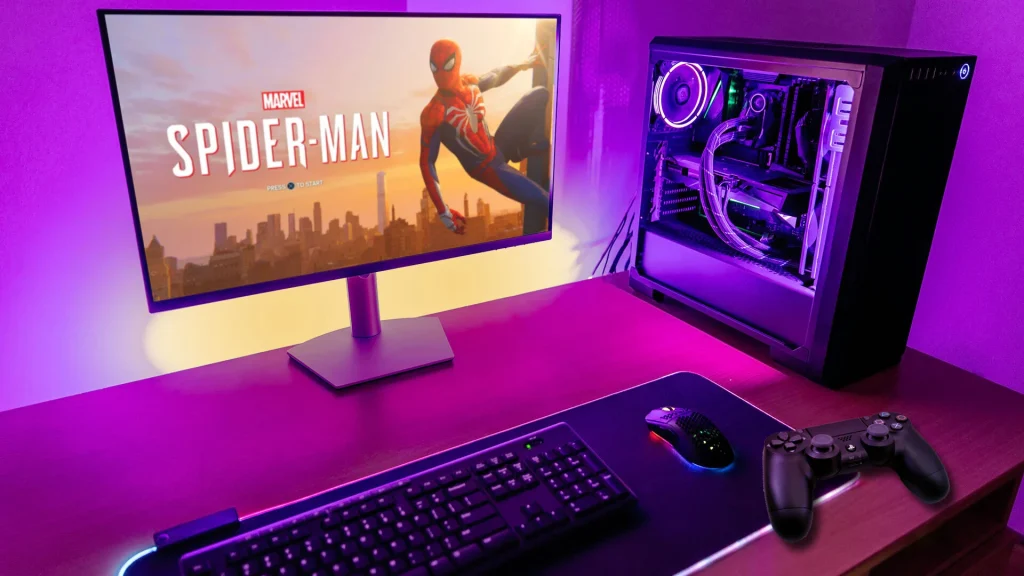
PC game porting is a crucial aspect of expanding a game’s reach. When porting games to PC, developers must adapt the game’s source code to work with different PC configurations, operating systems (Windows, macOS, Linux), and hardware setups. This process includes tweaking graphics settings, input handling, and performance optimisations.
A successful PC game port ensures the game runs smoothly across a wide range of PC specifications. Tools like DirectX, OpenGL, and Vulkan are often used to handle graphics rendering on PCs. Developers also need to consider customisable control options to cater to different player preferences, supporting keyboard and mouse inputs as well as gamepad controllers. PC gamers expect customisable settings, so implementing options for graphics quality, resolution, and key bindings is essential.
Additionally, ensuring the user interface (UI) scales properly on different screen sizes and resolutions is critical. This involves designing a responsive UI that adapts to various display configurations, from standard monitors to ultra-wide and 4K displays.
Porting Games to PlayStation
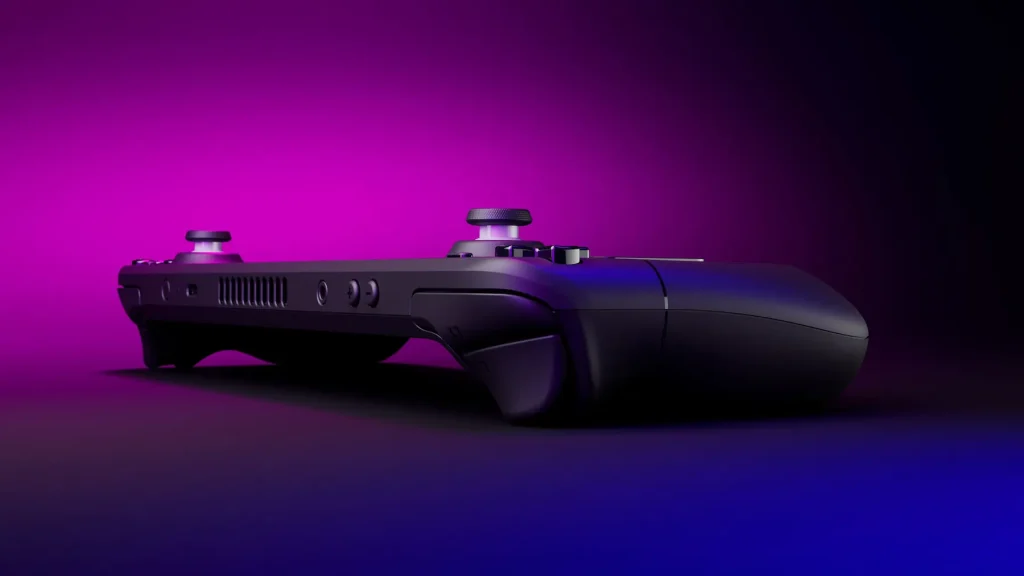
PlayStation PC porting involves adapting a game originally designed for PlayStation consoles to run on PC. This process requires addressing the differences in hardware and control schemes.
PlayStation PC ports often need to support DualSense controller features like adaptive triggers and haptic feedback. Developers must ensure that the game maintains its visual fidelity and performance on PC while incorporating platform-specific enhancements. Tools like Sony’s PlayStation SDK and API help in making these adaptations.
Moreover, developers need to adjust the game’s performance parameters to suit the PC environment, which may involve tweaking frame rates, resolution settings, and loading times. Ensuring compatibility with various PC configurations is essential, which might include optimising the game for different graphics cards and processors.
Testing is a critical step in this process, as developers must identify and fix any issues related to the transition from console to PC. This includes ensuring that the game works seamlessly with different input devices and adheres to the high expectations of the PC gaming community.

Porting Games to Nintendo Switch
Nintendo Switch porting is particularly challenging due to the unique hardware and control features of the console. Developers must optimise the game for the Switch’s lower hardware capabilities compared to PCs and other consoles.
This includes adjusting frame rates, load times, and graphics settings to ensure a smooth experience in both docked and handheld modes. Additionally, developers need to support the Joy-Con controllers and possibly the touchscreen. The Nintendo Switch SDK provides the necessary tools for these adaptations.
The game must also be optimised for the Switch’s battery life, as players often use the console in handheld mode. This involves reducing power consumption by optimising CPU and GPU usage. Furthermore, developers need to adapt the UI and controls to work seamlessly with the Switch’s unique input methods, including motion controls and touchscreen interactions.
Testing on both the docked and handheld configurations is essential to ensure a consistent and enjoyable gaming experience across both modes. Developers must also adhere to Nintendo’s strict guidelines and submission requirements to ensure the game is approved for release on the eShop.
Porting Games to iOS and Android
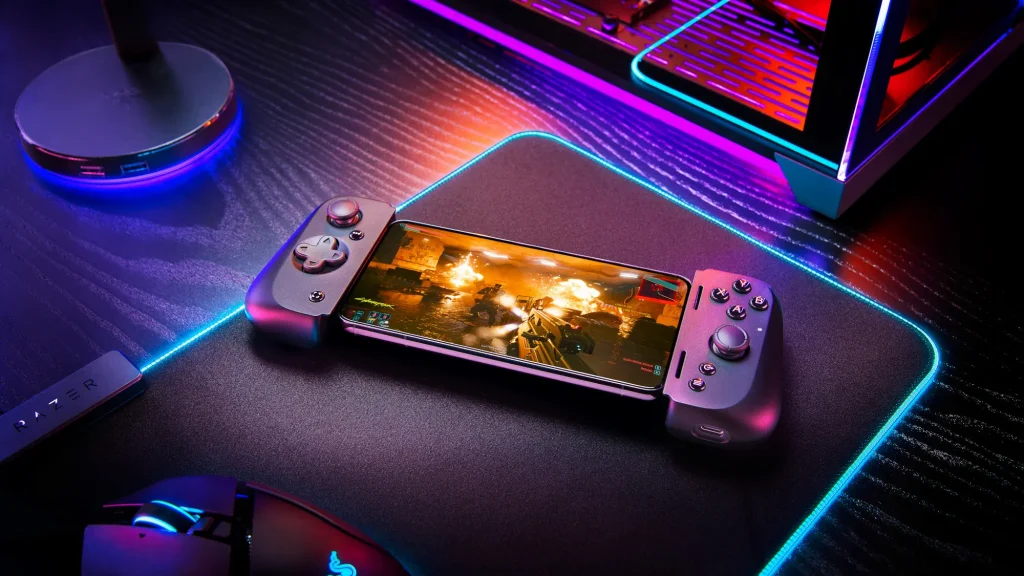
Porting games to Android and iOS involves significant performance optimisation to cater to the limited hardware capabilities of mobile devices. Developers must design intuitive touchscreen controls and ensure the game scales appropriately across various screen sizes and resolutions.
Compliance with app store guidelines for both Google Play and Apple’s App Store is crucial for successful porting. Tools like Unity and Unreal Engine facilitate cross-platform development, making it easier to adapt games to mobile platforms.
Developers must optimise the game for battery efficiency, ensuring it doesn’t drain the device quickly. This includes optimising CPU and GPU usage, as well as managing memory efficiently. Mobile games often need to handle intermittent connectivity and varying network conditions, so implementing robust networking solutions is important.
Additionally, developers need to integrate mobile-specific features such as push notifications, in-app purchases, and ad support. Ensuring that the game provides a smooth and engaging experience on both high-end and low-end devices is critical to reaching a broad audience.

Porting Mobile Games to Steam
Mobile games ported to Steam present another set of challenges. Developers need to adapt the user interface and control schemes from touch-based inputs to keyboard and mouse or gamepad controls.
Additionally, they must optimise the game’s performance and graphics for a wide range of PC hardware. The Steamworks SDK provides the necessary tools and APIs to integrate Steam features like achievements, cloud saves, and multiplayer functionality.
Developers need to ensure that the game scales properly on different screen resolutions and supports various aspect ratios. Integrating Steam-specific features like Steam Workshop for user-generated content and Steam Trading Cards can enhance player engagement and community involvement.
Rigorous testing is essential to ensure that the game runs smoothly across different PC configurations and that all features are fully functional. Providing regular updates and support post-launch is also crucial to maintaining a positive player experience and addressing any issues that arise.
By understanding and addressing the unique requirements of each platform, developers can ensure a successful game port that reaches a wider audience and provides a seamless gaming experience across all devices.
How can you improve the process of porting games between platforms?
Game porting is a complex process that requires careful planning and execution to ensure a smooth transition between platforms. Here are some key strategies to improve the game porting process.
Understanding the Target Platform
A thorough understanding of the target platform is crucial for successful game porting. Each platform has its own hardware specifications, operating systems, and unique features. By analysing these aspects, developers can identify potential challenges and develop effective solutions. Tools like Unity and Unreal Engine provide profiling tools that help in understanding the performance characteristics of the target platform.
Adapting the Code
Adapting the game’s source code to the target platform’s architecture is a fundamental task in game porting. This often involves rewriting or reconfiguring certain sections of the code to ensure smooth execution on the new platform. Using cross-platform development tools like MonoGame or Xamarin can streamline this process by allowing code to be reused across different platforms.
Optimising Graphics and Performance
Optimising graphics and performance is essential for maintaining the visual quality and playability of the game. This includes adjusting textures, resolutions, and graphic effects to match the capabilities of the target platform. Tools like RenderDoc and NVIDIA Nsight can be used to monitor and optimise the game’s rendering pipeline and resource usage.
Input and Control Options
Each platform has its own input devices and control schemes. Ensuring that the game works seamlessly with these input methods is critical. For instance, PC games need to support keyboard and mouse, while console games require gamepad support. Additionally, mobile games need intuitive touchscreen controls. Customising the control options and allowing players to configure their key bindings can enhance the gaming experience.
Adapting the User Interface (UI)
The user interface (UI) needs to be adapted to fit the target platform’s screen size, resolution, and aspect ratio. This involves designing a responsive UI that scales properly and remains intuitive and user-friendly. Tools like Adobe XD and Sketch can be used to create and test different UI layouts.
Testing and Bug Fixing
Rigorous testing is essential to identify and fix any platform-specific bugs or compatibility issues. Running the game on the target platform and gathering feedback from real users helps ensure a polished and bug-free experience. Automated testing tools like Appium and Selenium can assist in performing extensive testing across different platforms.
Adhering to Platform-Specific Requirements
Each platform has its own set of requirements and guidelines for game submissions. Developers must adhere to these guidelines to meet the platform’s quality standards and get the game approved for distribution. Familiarity with the submission guidelines for platforms like PlayStation Network, Nintendo eShop, and Steam is essential for successful game porting.
Updates and Post-Release Support
The porting process doesn’t end with the initial release. Providing ongoing support and updates is crucial to address any issues that may arise post-launch and to keep the game compatible with future platform updates. A dedicated porting studio can manage these updates and ensure the game continues to perform well on all platforms.
By following these best practices, developers can improve the efficiency and effectiveness of the game porting process, ensuring their games reach a wider audience and provide a consistent, enjoyable experience across all platforms.

How costly is game porting and how much time does it take?
Game porting is a significant investment that requires careful consideration of various factors to determine the cost and time involved. Here are the key factors that influence the cost and timeframe of game porting.
Complexity of the Game
The complexity of the original game is a major factor in determining the cost and time for game porting. Simple games with straightforward mechanics and minimal platform-specific features are typically quicker and less expensive to port. On the other hand, complex games with intricate graphics, advanced mechanics, and numerous platform-specific optimisations can require significantly more resources.
Target Platform
The choice of the target platform also affects the cost and time of game porting. Porting to platforms with similar architecture and development tools may be faster and less expensive compared to porting to entirely different platforms. For example, porting a game from PC to console may involve fewer changes compared to porting from console to mobile.
Quality of the Source Code
The cleanliness and structure of the original game’s source code can impact the porting process. Well-organised and modular code makes the porting process smoother and faster, while messy code may require more time and effort to adapt. A high-quality codebase facilitates easier integration and fewer bugs during the porting process.

Experience and Competence of the Team
The expertise of the porting team plays a significant role in the success of game porting. An experienced team familiar with both the original and target platforms can streamline the process and make efficient adaptations. Their knowledge of platform-specific requirements and best practices helps in reducing the time and cost involved.
Use of Cross-Platform Tools and Middleware
Using cross-platform development tools and middleware can speed up the game porting process and reduce costs. These tools help bridge the gap between platforms and facilitate the adaptation of assets and code. Tools like Unity, Unreal Engine, and MonoGame provide built-in support for multiple platforms, making the porting process more efficient.
Optimising Graphics and Performance
Extensive graphics and performance optimisations for the target platform can add to the overall time and cost. This involves adjusting textures, resolutions, and graphical effects to ensure the game runs smoothly on the new platform. Tools like RenderDoc and NVIDIA Nsight help developers monitor and optimise performance, ensuring a high-quality gaming experience.

Testing and Bug Fixing
Rigorous testing is crucial to identifying and fixing platform-specific bugs and compatibility issues. The more comprehensive the testing, the higher the cost and time involved. Automated testing tools like Appium and Selenium can assist in performing extensive testing, but manual testing is often necessary to catch all issues.
Game Updates
Sometimes, developers use the opportunity of porting to implement updates or enhancements to the game. This can extend the timeline and increase costs but may also lead to a more compelling product. Regular updates and post-release support are essential for maintaining a positive player experience and addressing any issues that arise.
Estimated Cost and Timeframe
The cost of game porting can range from a few thousand dollars to several hundred thousand dollars, depending on the factors mentioned above. Similarly, the timeframe can vary from a few weeks to several months. Simple ports may be completed relatively quickly, while complex games with extensive optimisations may require more time.
By understanding these factors, developers can better plan and budget for the game porting process, ensuring they allocate the necessary resources to achieve a successful port.

Why will you achieve success with us?
In summary, game porting offers a multitude of benefits that are essential for developers looking to expand their game’s reach and maximise profitability. Game porting increases revenue streams by making games available on multiple platforms, allowing developers to tap into new markets and generate ongoing revenue. It enhances brand visibility as a game accessible across various platforms gains more attention from the gaming community and media, boosting the developer’s profile. By extending a game’s availability across multiple platforms, developers can maximise their return on investment, ensuring that the initial investment yields higher returns over time.
Future-proofing is another significant advantage of game porting, ensuring the game remains accessible and relevant as new technologies emerge. The process also creates opportunities for collaboration, often involving partnerships with other developers, publishers, or platform owners, leading to joint marketing agreements and distribution partnerships. Additionally, game porting supports game preservation by adapting classic titles to modern platforms, ensuring they remain playable for future generations.
Choosing a reliable partner for game porting is crucial to achieving these benefits. Kreonit, with its extensive experience and technical expertise, can streamline the process, ensure high-quality results, and provide ongoing support post-release. This collaboration will save time, reduce costs, and enhance the overall success of the game.
If you are looking to expand your game’s reach and maximise its potential, don’t hesitate to reach out. Our experienced team at Kreonit is here to help you navigate the complexities of game porting and ensure your game reaches a wider audience while maintaining its quality and appeal. Contact us today to learn more about how we can assist you in successfully porting your game to multiple platforms.
By partnering with Kreonit, you will benefit from our extensive experience, technical expertise, and commitment to delivering exceptional results. Let’s work together to make your game a success across all platforms.


